Seared pork loin simmered with sweet apple, soft cabbage and onions in a creamy sour cream sauce. One pan, done in under an hour.
READ MORE

Apple Pie meets Almond Croissants in this simple sweet treat recipe, that's a delicious way to give leftover pastries a second life.

A crunchy and refreshing spring salad featuring raw broccoli, apple, cabbage, spinach and seeds topped with a creamy avocado dressing

Turn smashed potatoes into a naturally gluten free pie crust loaded with wonky green veggies and cheese.

These Spiced Cauliflower and Chickpea flatbreads are the perfect vegetarian dinner option, using a treasure trove of veg like spinach, avocado and onion.

Made with a cottage cheese base, this pizza is not only high in protein but also gluten-free, perfect for those who want a lighter twist on traditional pizza.

Elevate your onions with this simple and delicious savoury marmalade recipe, combining sweet caramlised onions with tangy vinegar.

Our vegetarian take on this favourite Vietnamese sandwich keeps all the magic of the original, with marinated tofu, tangy pickled vegetables, crunchy red cabbage and flavour packed sauces.

Vegan pate featuring mushrooms, walnuts, and a mix of herbs and spices for a rich, satisfying spread.
.JPG)
Seared pork loin simmered with sweet apple, soft cabbage and onions in a creamy sour cream sauce. One pan, done in under an hour.
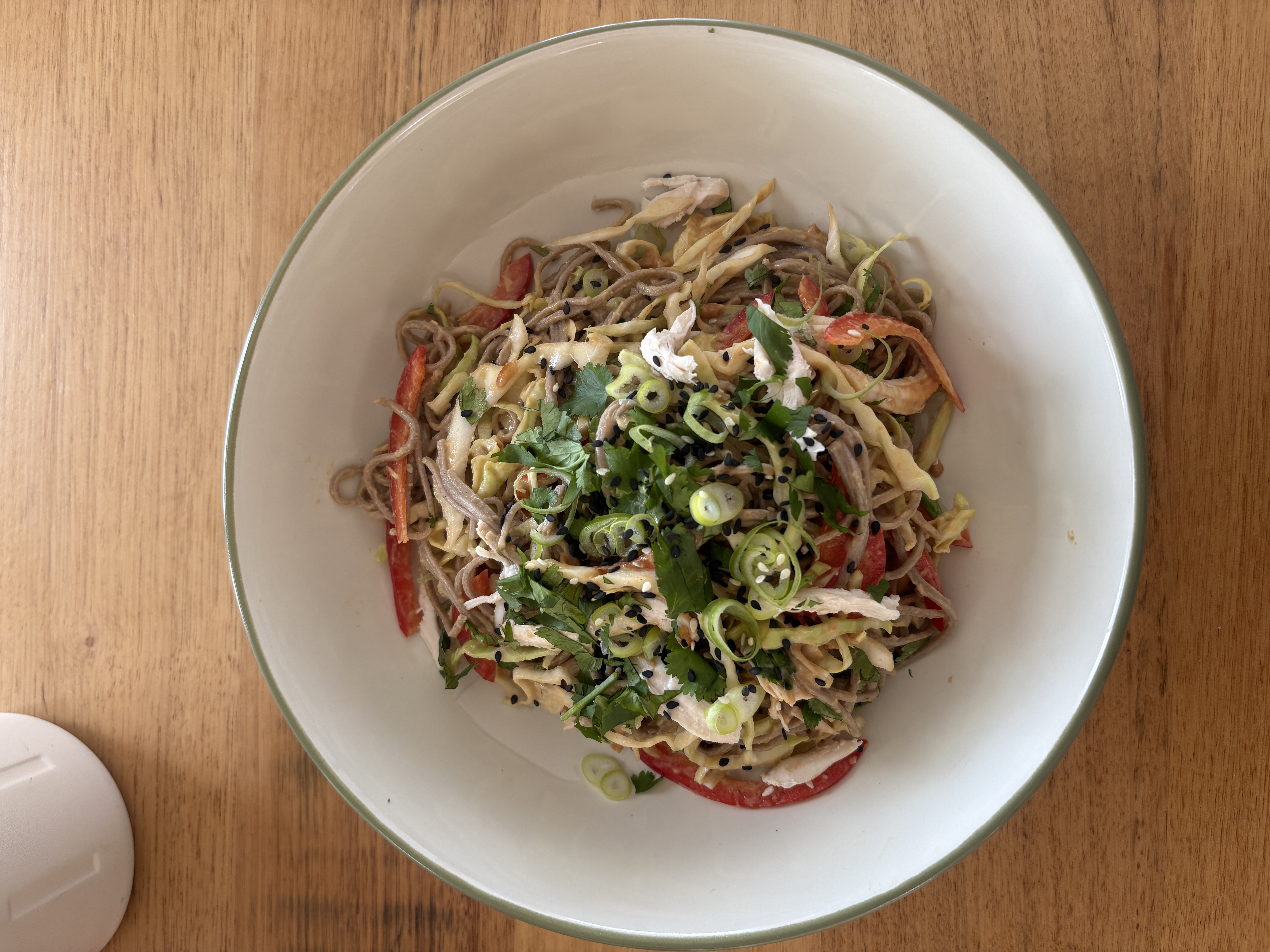
Tender pork and parmesan meatballs finished in a garlicky tomato sauce, with a cool dollop of ricotta and torn basil on top.
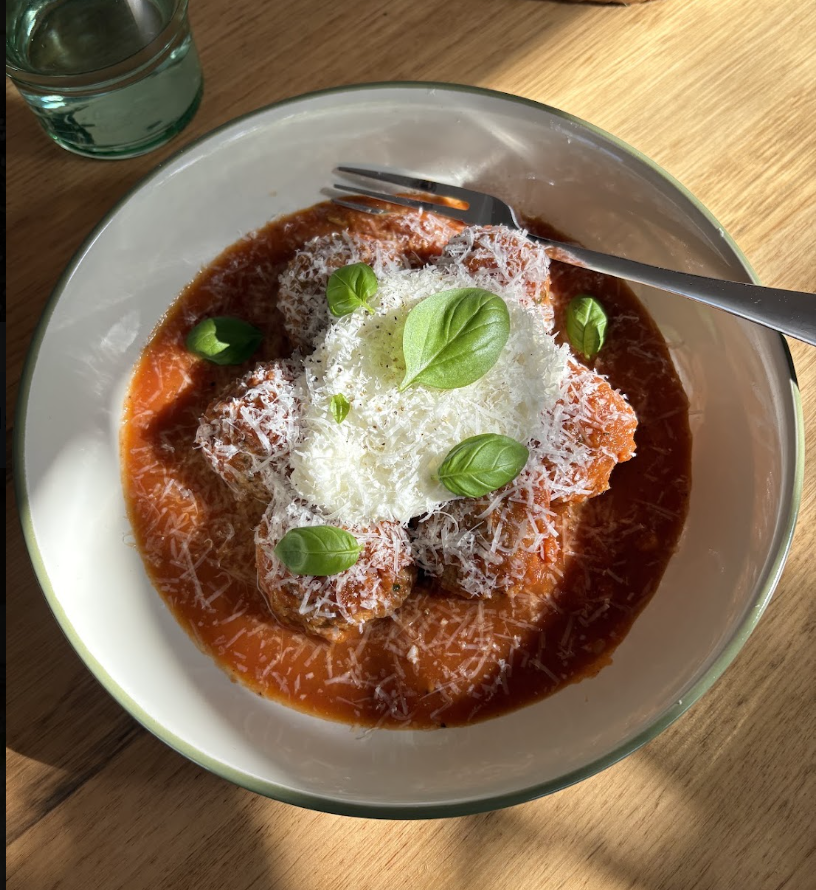
Tender pork and parmesan meatballs finished in a garlicky tomato sauce, with a cool dollop of ricotta and torn basil on top.
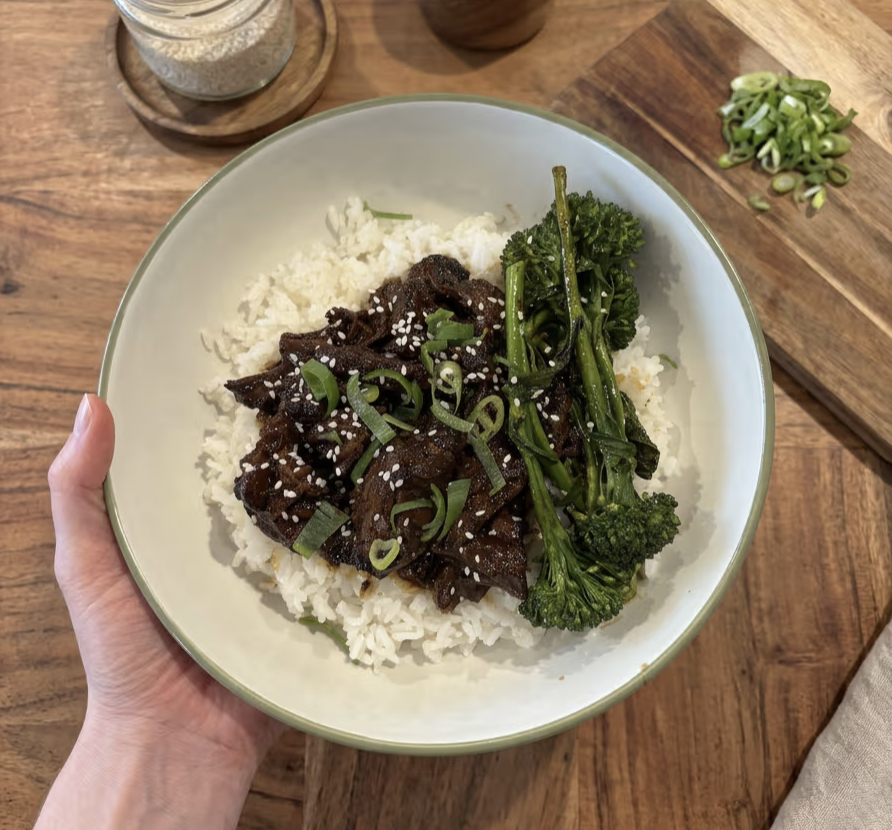
Bolar beef slow-cooked in miso, ginger and honey until it falls apart. Four hours of hands-off cooking for a seriously savoury dinner.
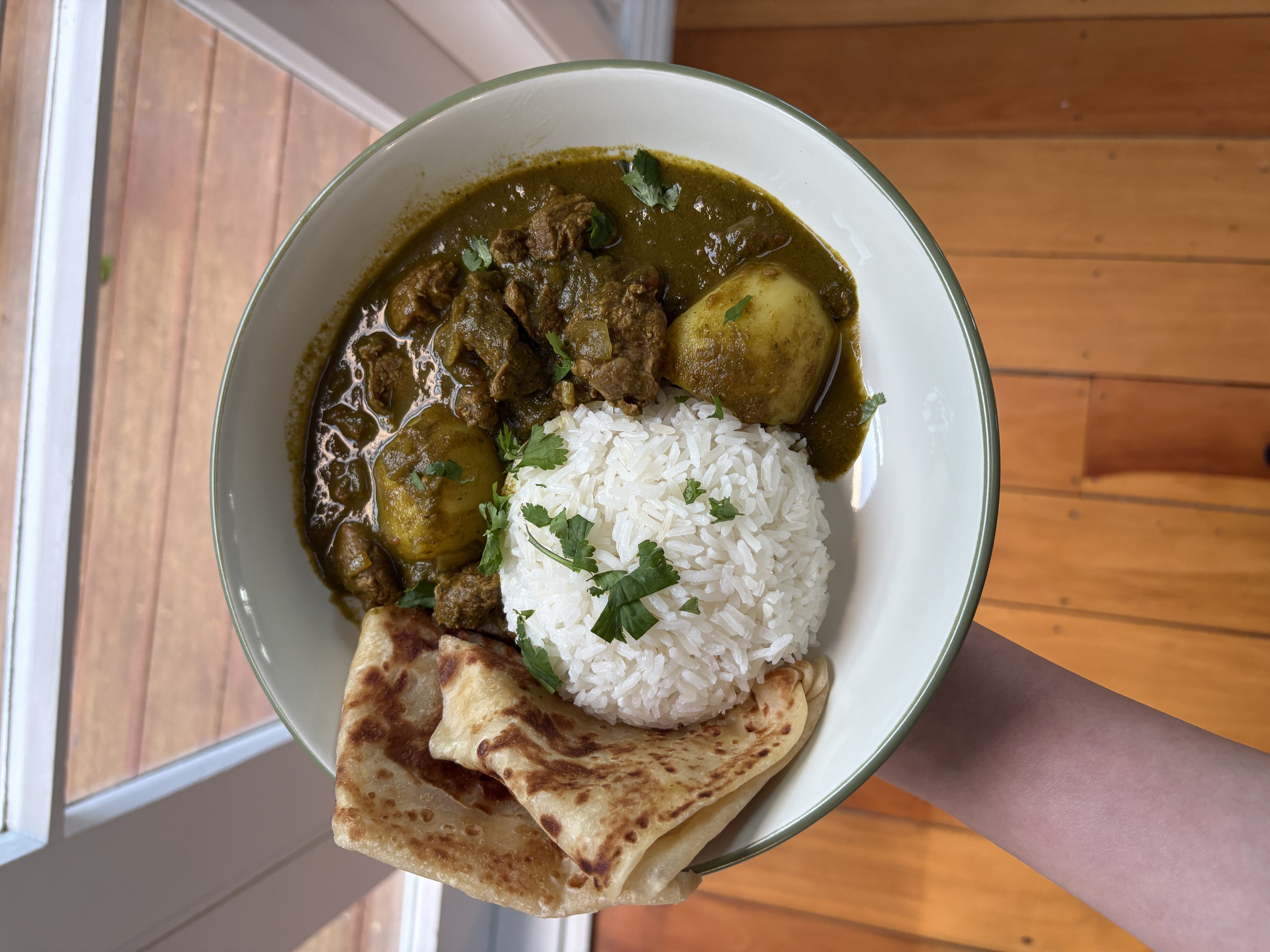
Tender lamb and potatoes simmered in a bright green spinach, coriander and coconut sauce. Big flavour, one pot, minimal fuss.
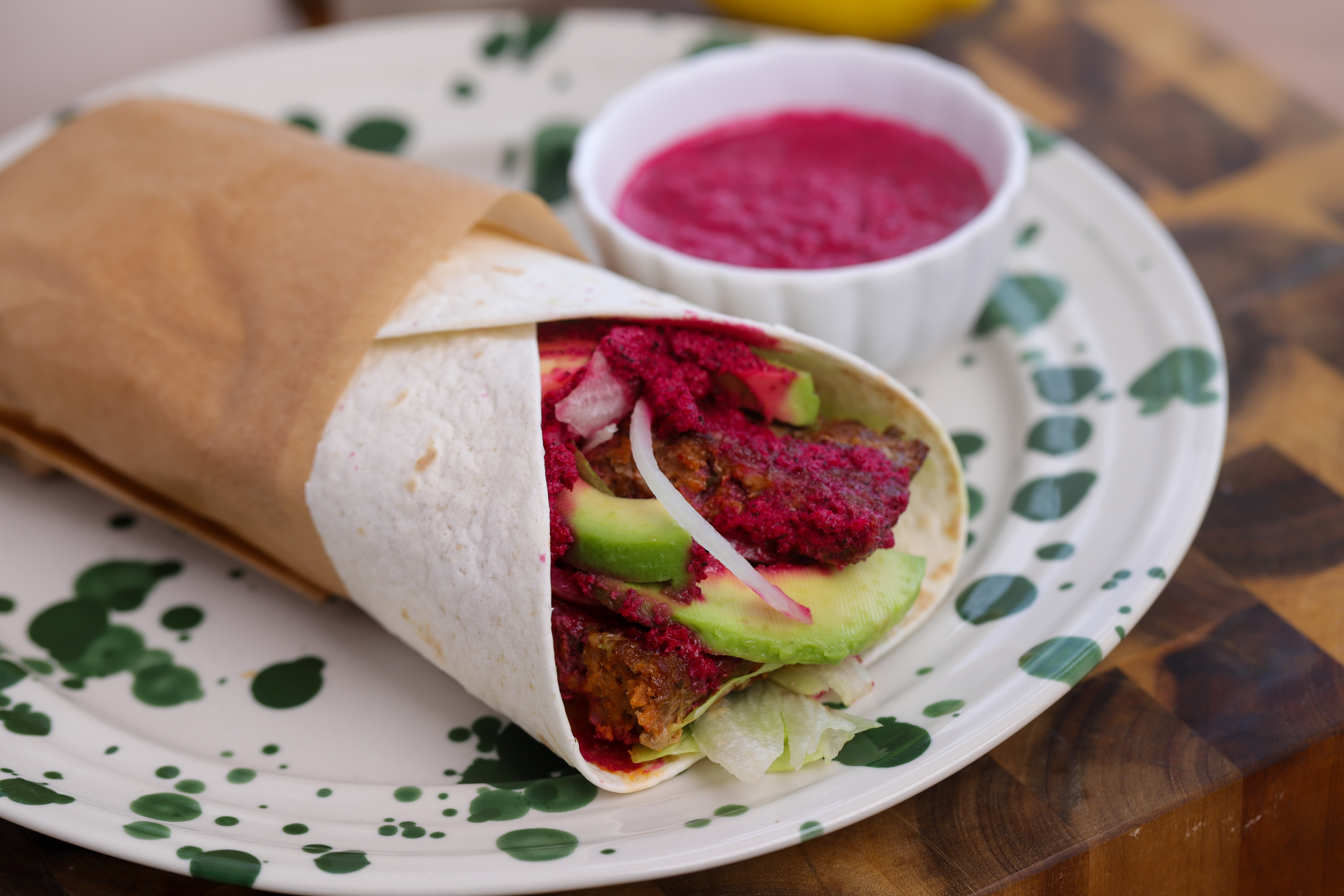
Spiced lamb, a hot-pink beetroot yoghurt sauce and all the wrap fillings you need — no servo run required.
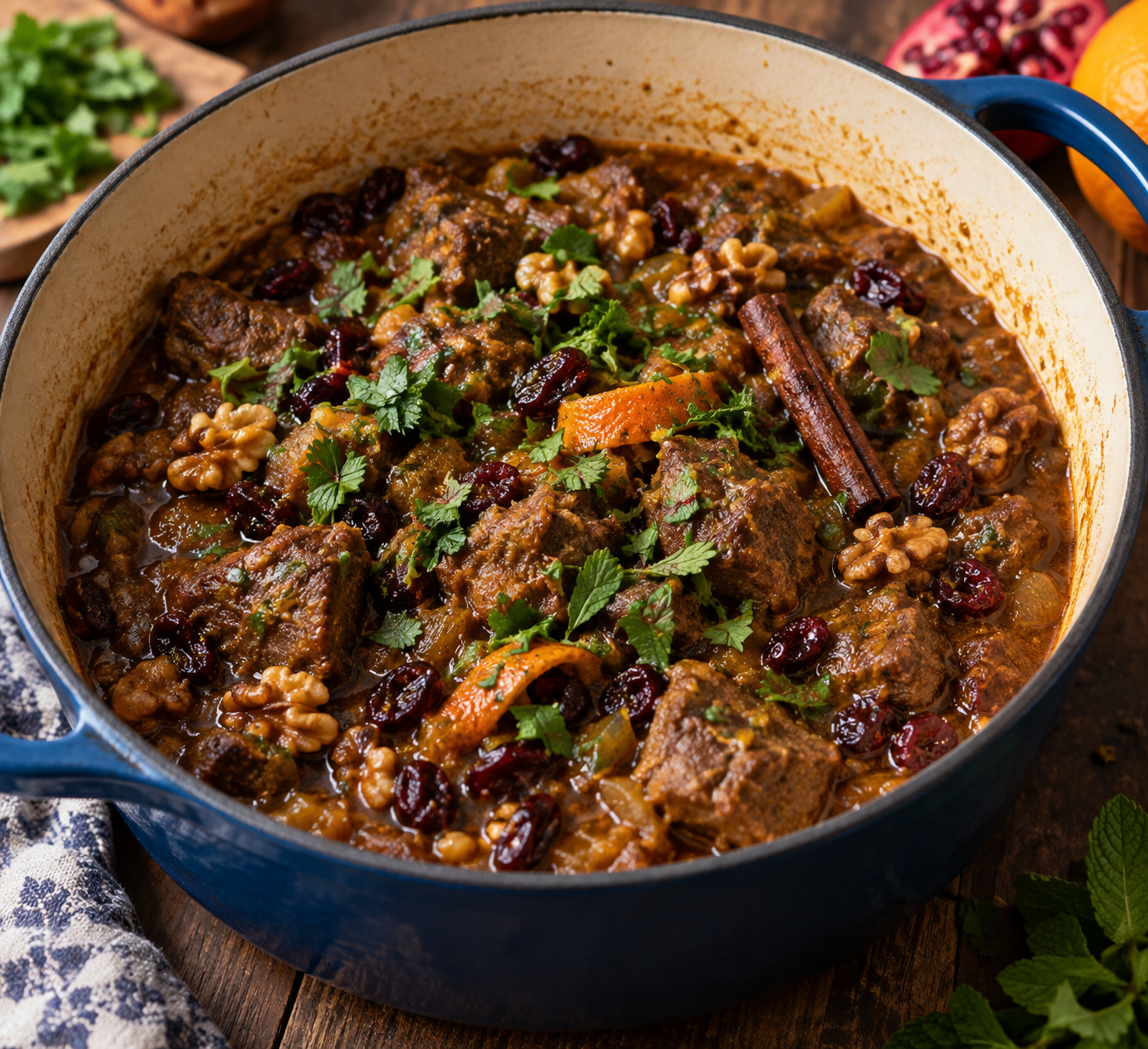
Lamb shoulder gone low and slow with pomegranate molasses, walnuts and cranberries until sticky, spiced and spoon-tender. One pot, big pay-off.
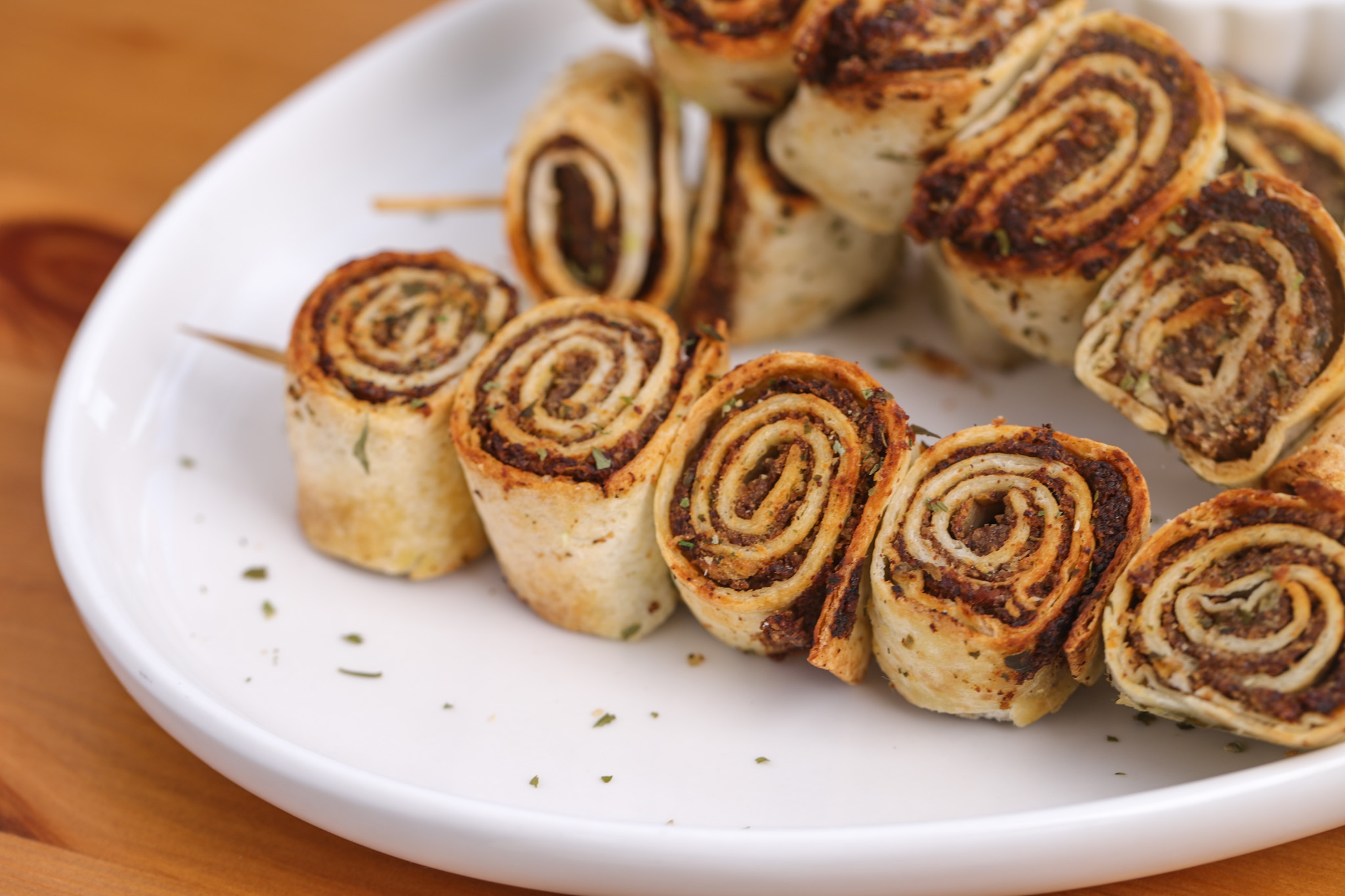
Roasted mushroom, walnut and garlic filling rolled in wraps, air-fried until crisp, brushed with garlic butter and served with avocado dip.
1/3 of food globally is wasted and it’s estimated that up to 40% of produce grown doesn’t leave the farm gate.
GET STARTED


